Rooted in the Village
A Candid Conversation with Farmer-Scholar Tirupati Nivruti Phade
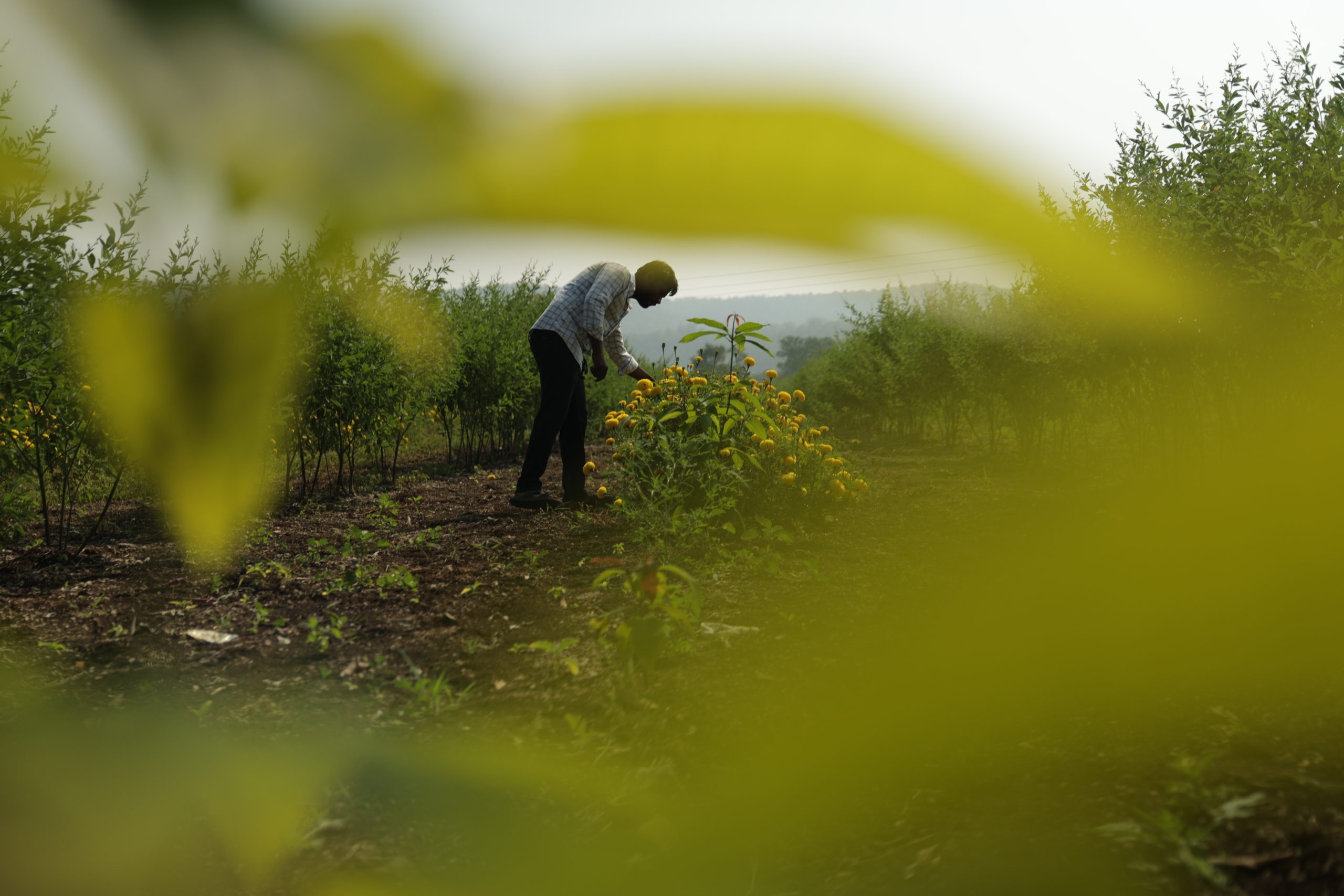
From years in the city to six acres of fruit orchards in Bodhadi, Kinwat (Nanded), Tirupati’s story reflects how
Education, technology, and tradition can come together in agriculture.
In a quiet village in Maharashtra, surrounded by orchards and red soil, lives a man whose journey defies conventional career paths. Tirupati Nivruti Phade is not just a farmer—he is a scholar with multiple degrees, a researcher, and now a passionate advocate for natural farming. In a conversation with BRLF, he opens up about his childhood, choices, and the life he chose to return to.
BRLF: Tell us about your childhood and your educational journey.
Tirupati Nivruti Phade:
I grew up right here in this village. My entire childhood was spent in these fields and lanes. After school, I pursued a B.A. and then an M.A. in Political Science. Later, I completed another master’s degree in History, followed by a B.Ed. Eventually, I enrolled in a PhD program at Dr Babasaheb Ambedkar Marathwada University with support from a Mahajyoti fellowship. I’m still formally enrolled—but I chose to return home to farm.
BRLF: You’ve collected so many degrees, even started a PhD. Why choose farming after all that?
Tirupati:
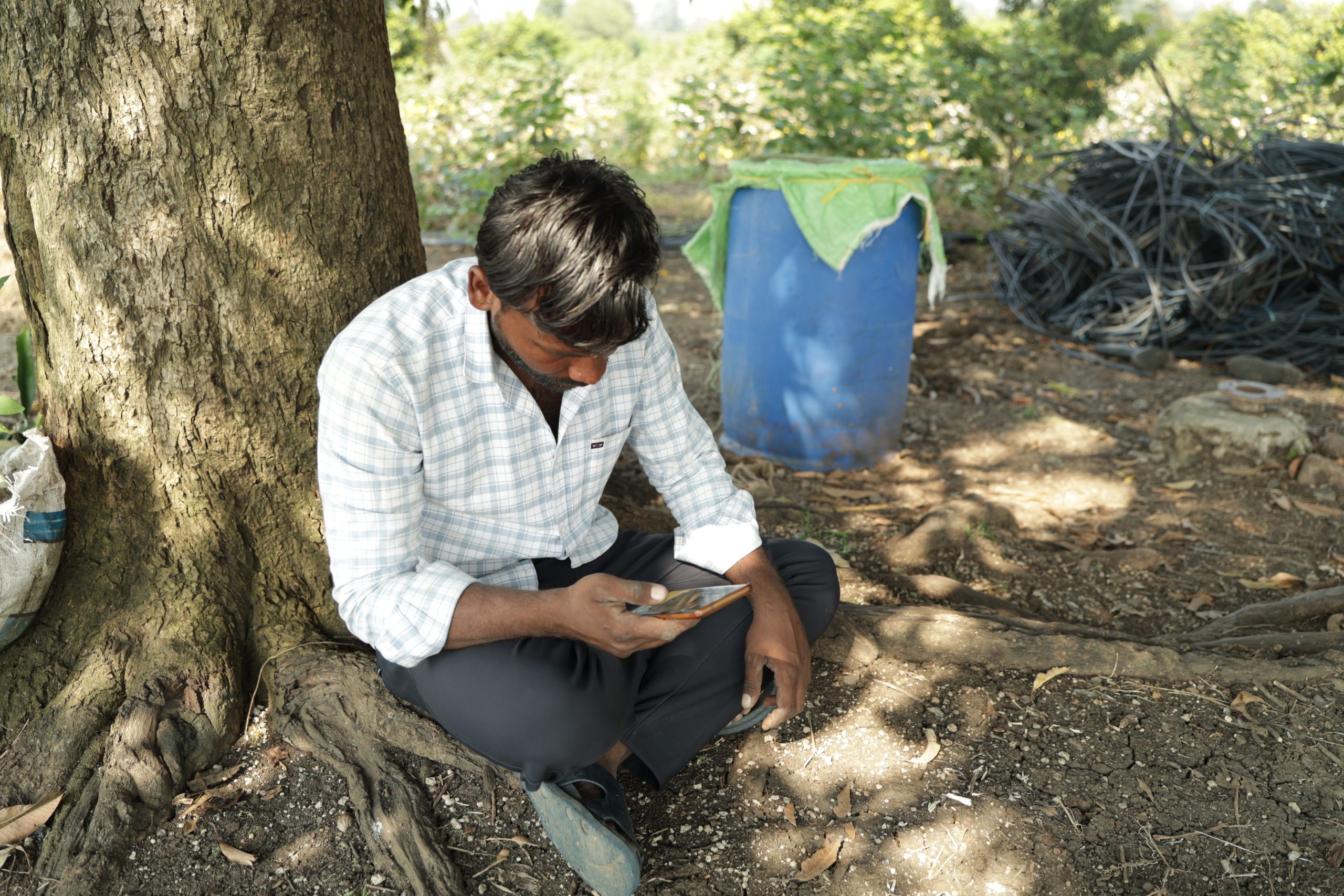
Because farming was always close to my heart. I grew up watching my father work on the land. Today, I practice natural farming under his guidance. He no longer visits the field, but he advises me from home. I also learn from YouTube and Instagram reels. When you combine my father’s experience with what I pick up online, it becomes a powerful mix. And honestly—I enjoy it deeply.
BRLF: How do Instagram reels and YouTube support your farming journey?
Tirupati:
Chemical farming is widespread nowadays, but I prefer organic methods. The quality of fruits needed for premium markets—especially exports—comes only from natural farming. I follow Acharya, a natural farming expert on YouTube and Instagram. His videos break down everything—from soil nutrition to pest management. He conducts workshops, too, but since I cannot attend, I rely on his online content. It works beautifully for me.
BRLF: What kind of crops are you cultivating?
Tirupati:
I have 6 acres—2 acres each of chikoo, dates, and mangoes. Dates are unusual in Maharashtra because cultivation costs are high, so most farmers avoid them. I first saw date plantations in Jalna and Parbhani. That inspired me. I wanted to bring something new and high-value to my fields.
BRLF: Why fruit cultivation? What inspired that choice?
Tirupati:
My father used to grow bananas, and I saw how good our quality was. But traditional farming didn’t bring enough income. Everyone around me grows cotton or soya, so I wanted to try something different—something that could bring better returns with comparatively lower investment. Fruit cultivation felt like the right direction.
BRLF: What are your future business plans?
Tirupati:
I want to stay focused on fruit cultivation and grow it as a business. My goal is to first sell in local markets, then export. I’m also excited about e-commerce—direct home delivery of fruits. Dates are particularly perfect for this.
And returning to the village has improved my health too. When I lived in Nanded and Sambhaji Nagar, I suffered from allergies and coughs for months. But since coming back, it has completely disappeared. The clean air and natural surroundings make all the difference.
BRLF: Do you ever feel like going back to the city?
Tirupati:
Not at all. I lived in the city for 15 years, and honestly, the sense of community we have in the village simply doesn’t exist there. Even during my studies, I loved coming back home during vacations. I tell my friends—don’t chase cities blindly. Farming gives us independence. We work on our own land, for ourselves.
BRLF: What kind of support do you expect from institutions and organisations working here?
Tirupati:
NGOs working under the High Impact Watershed project have been very helpful. They guide us on organic and natural farming. The best part is that organic practices reduce costs because everything we need is locally available. It improves sustainability, profitability, and confidence.
From multiple degrees to multiple acres, from research libraries to orchard rows—Tirupati’s journey is a story of returning to one’s roots and redefining success. His commitment to natural farming, innovation, and local prosperity is a reminder that agriculture is not just an occupation—it is a future.
Authored by: Ketan Rathod, Communication Executive, BRLF