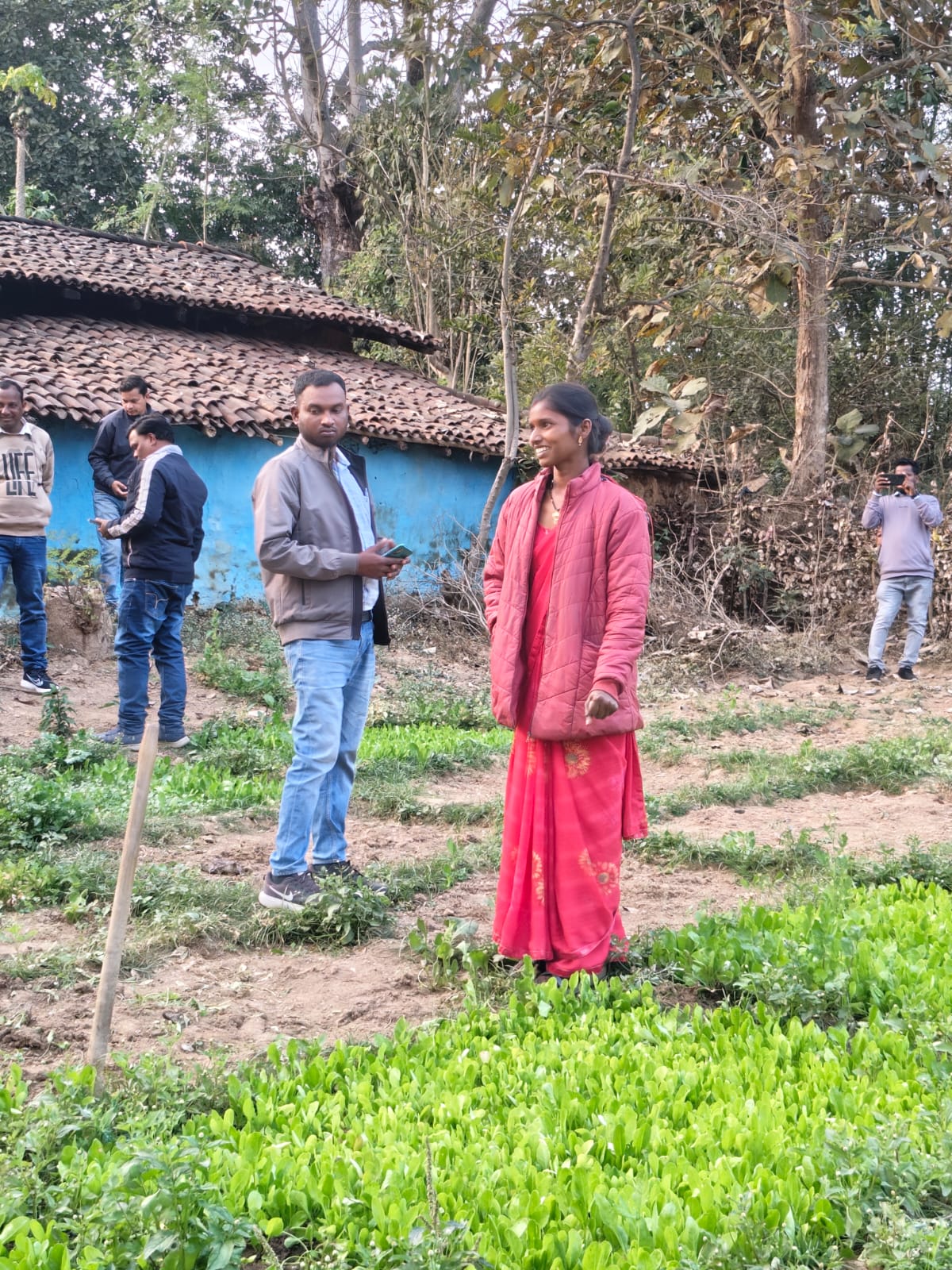
Pratima Mahto, a resident of Tetuldih village in Anandpur block of West Singbhum district in Jharkhand, is the first woman in her village to start a diverse kitchen garden and a mushroom cultivation unit in her home.
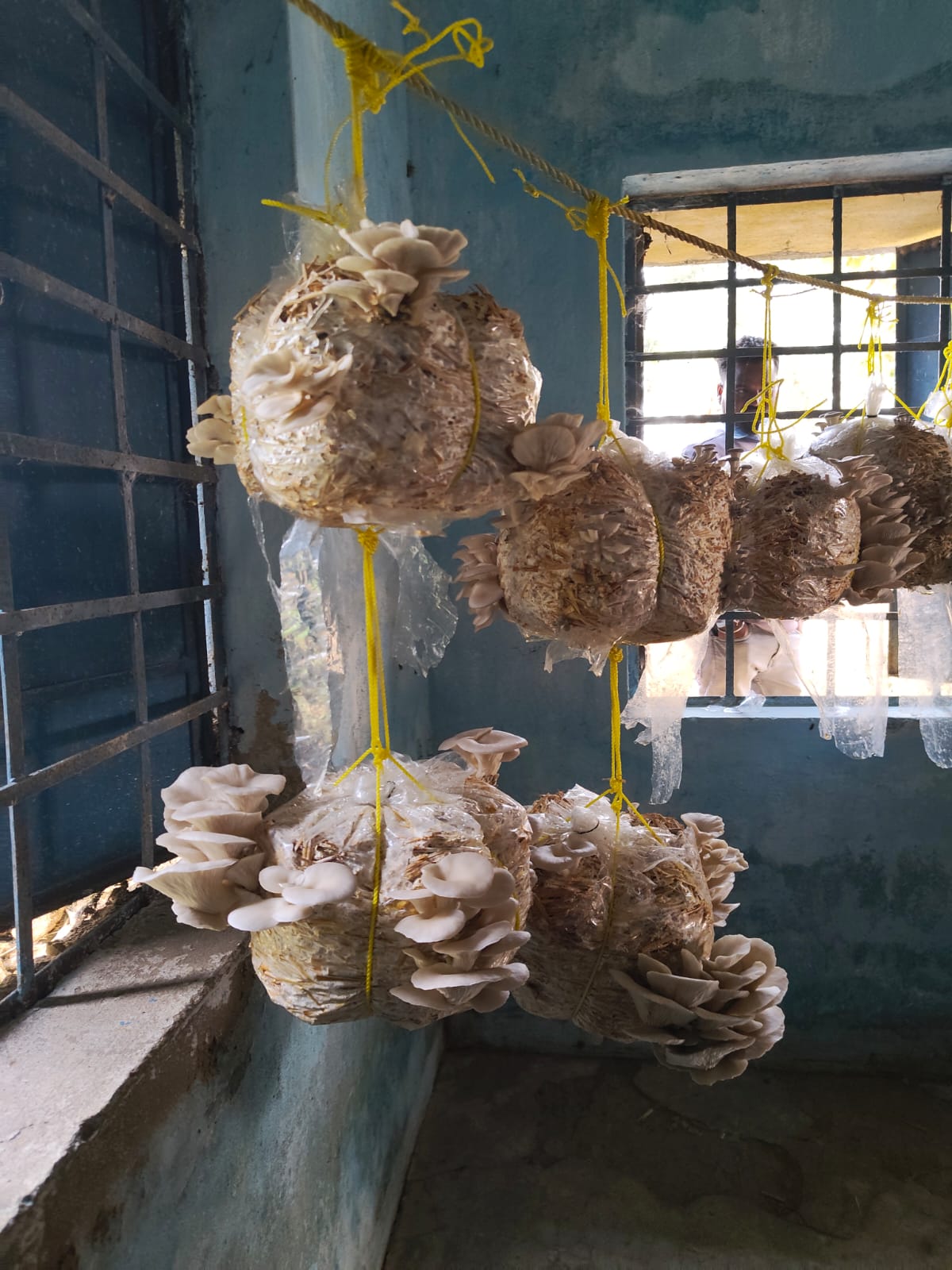
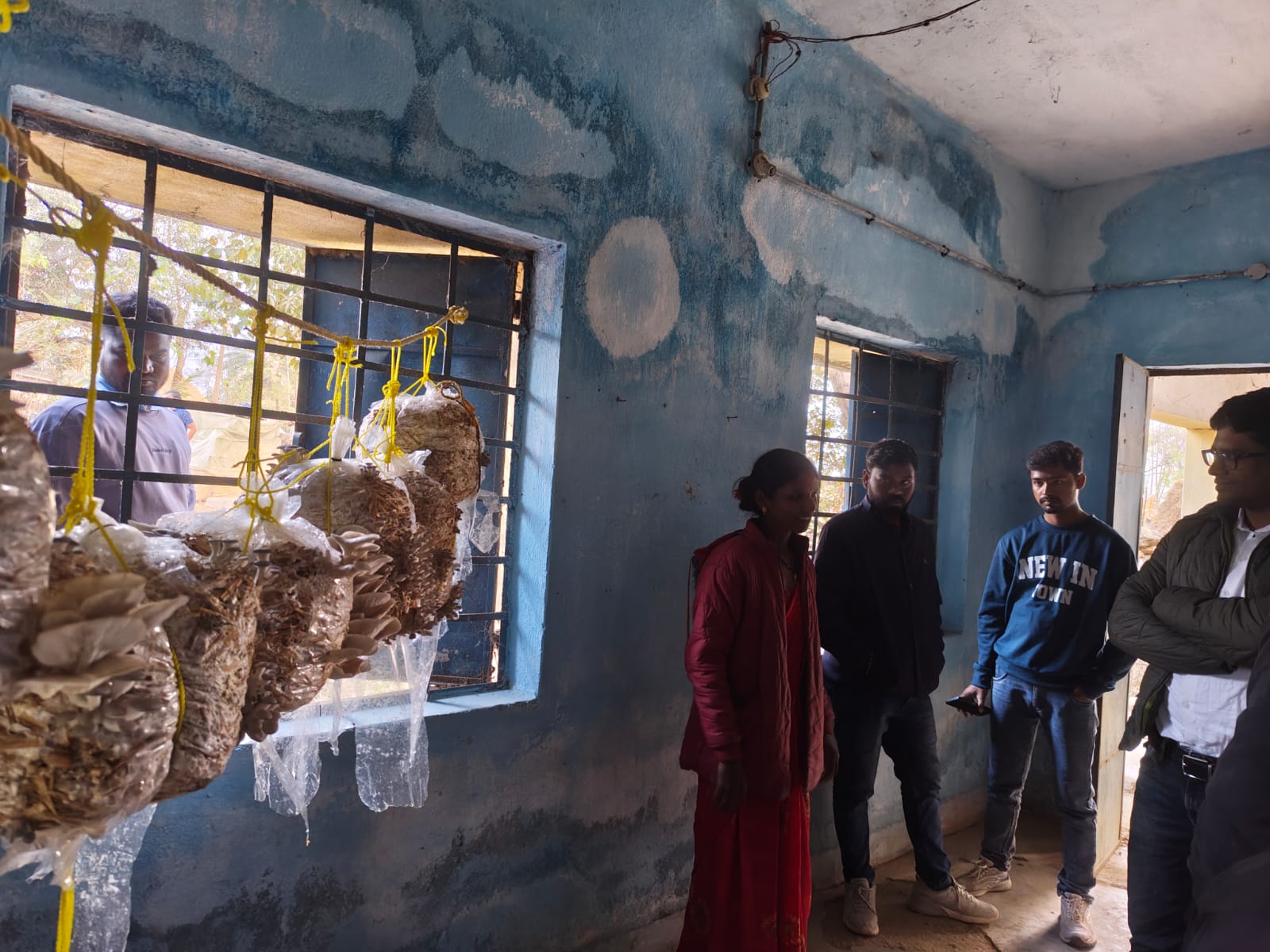
“We didn’t know mushrooms can be grown throughout the year”, Pratima says. Earlier they used to eat mushrooms only during monsoon season when it is abundantly available in the forest. The rest of the year was just about craving for the taste of juicy mushrooms, but finding none. When WASSAN introduced her to mushroom cultivation at home, she was excited to try it out, as it would give her mushrooms throughout the year and most importantly, would take care of the protein requirement of her family. With the help of WASSAN, she bought the seeds and other essential materials required for seed treatment. The substrate was prepared by her easily, using paddy straw. The first round of cultivation was not very successful, but she did not give up – tried it again this year and harvested around 8 to 10kgs of oyster mushrooms. She delightfully quotes, “we’ve had our fill… mushrooms have become a part of our everyday meal.”
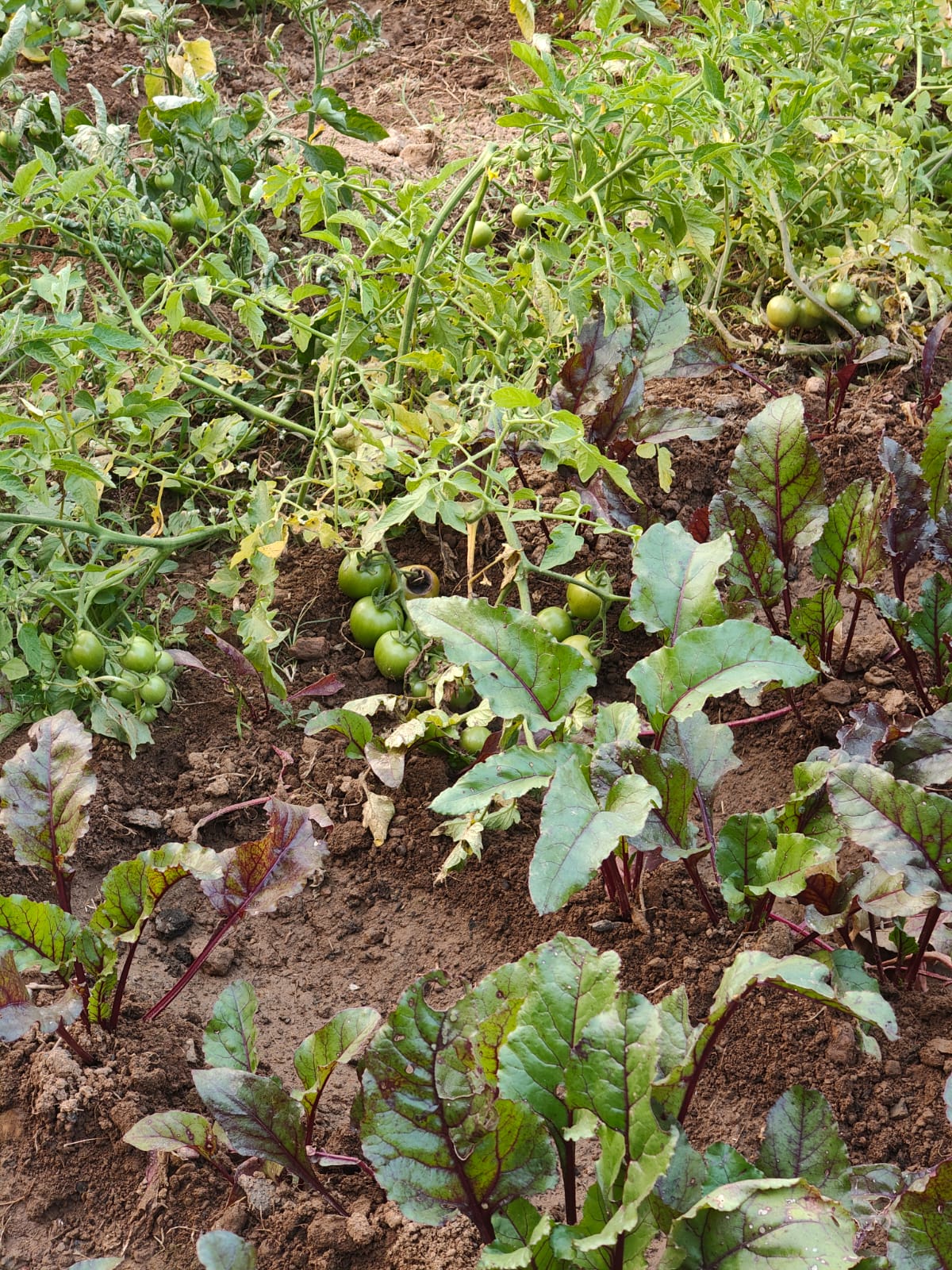
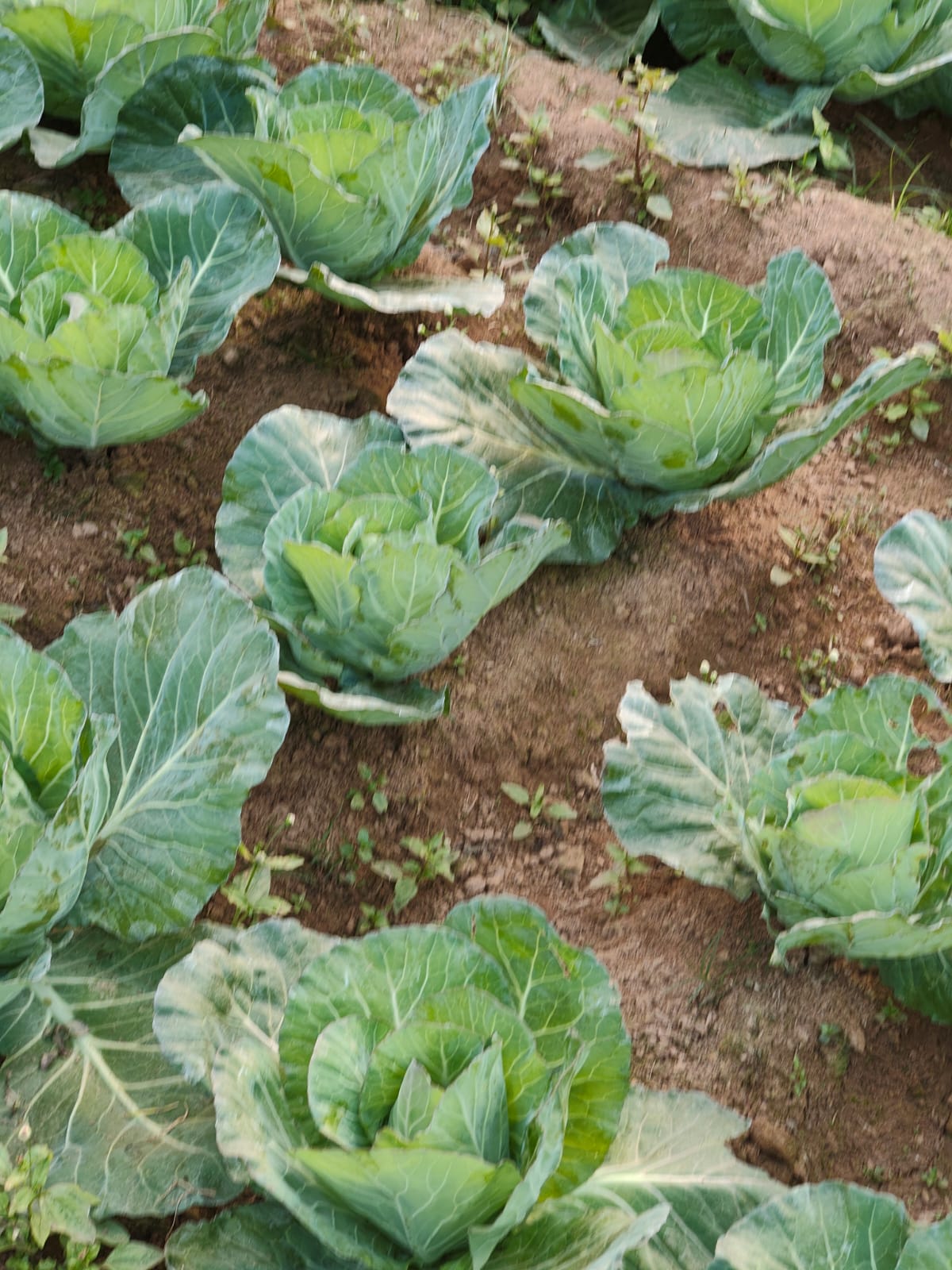
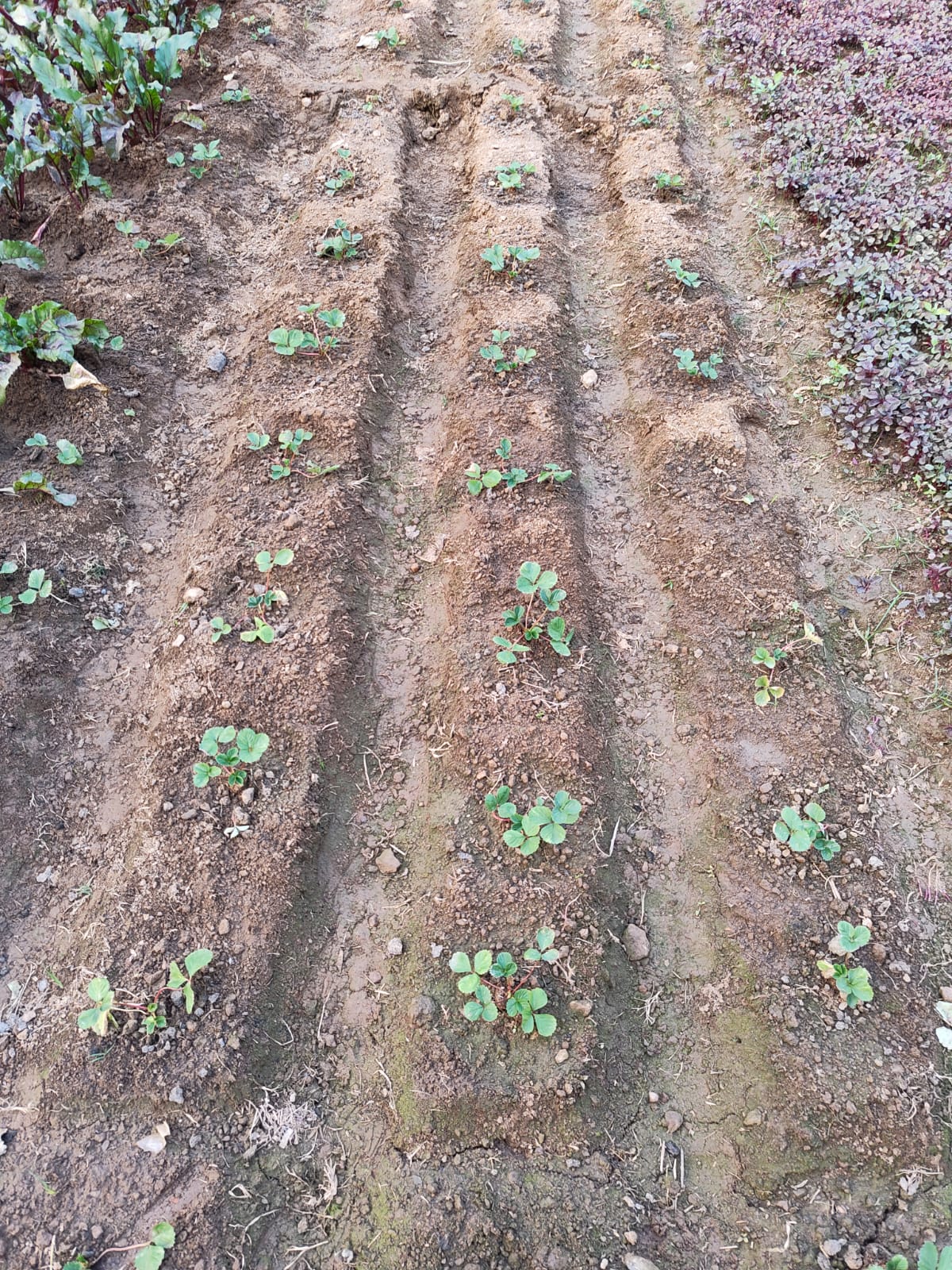
She also offered the mushrooms to her relatives and other women in the village. Inspired by her, 7 more women in Tetuldih village started mushroom cultivation. While mushrooms have been mushrooming in their village this year, Pratima also mentions to us about her “Poshan Vatika” developed under Didi Baadi yojana 2 years ago. While people generally grow only 1 or 2 vegetable varieties in their kitchen gardens, Pratima’s poshan vatika (nutrition garden) flourishes with more than 10 varieties of vegetables. Tomato, brinjal, chilli, cabbage, beetroot, radish, coriander, spinach, fenugreek, bottle gourd, pumpkin, onions and strawberries too – she has it all! There is not a single day when their meal does not include leafy greens and vegetables. Pratima says, “this poshan vatika will improve my soil and the diverse variety of vegetables will keep my family away from diseases.”
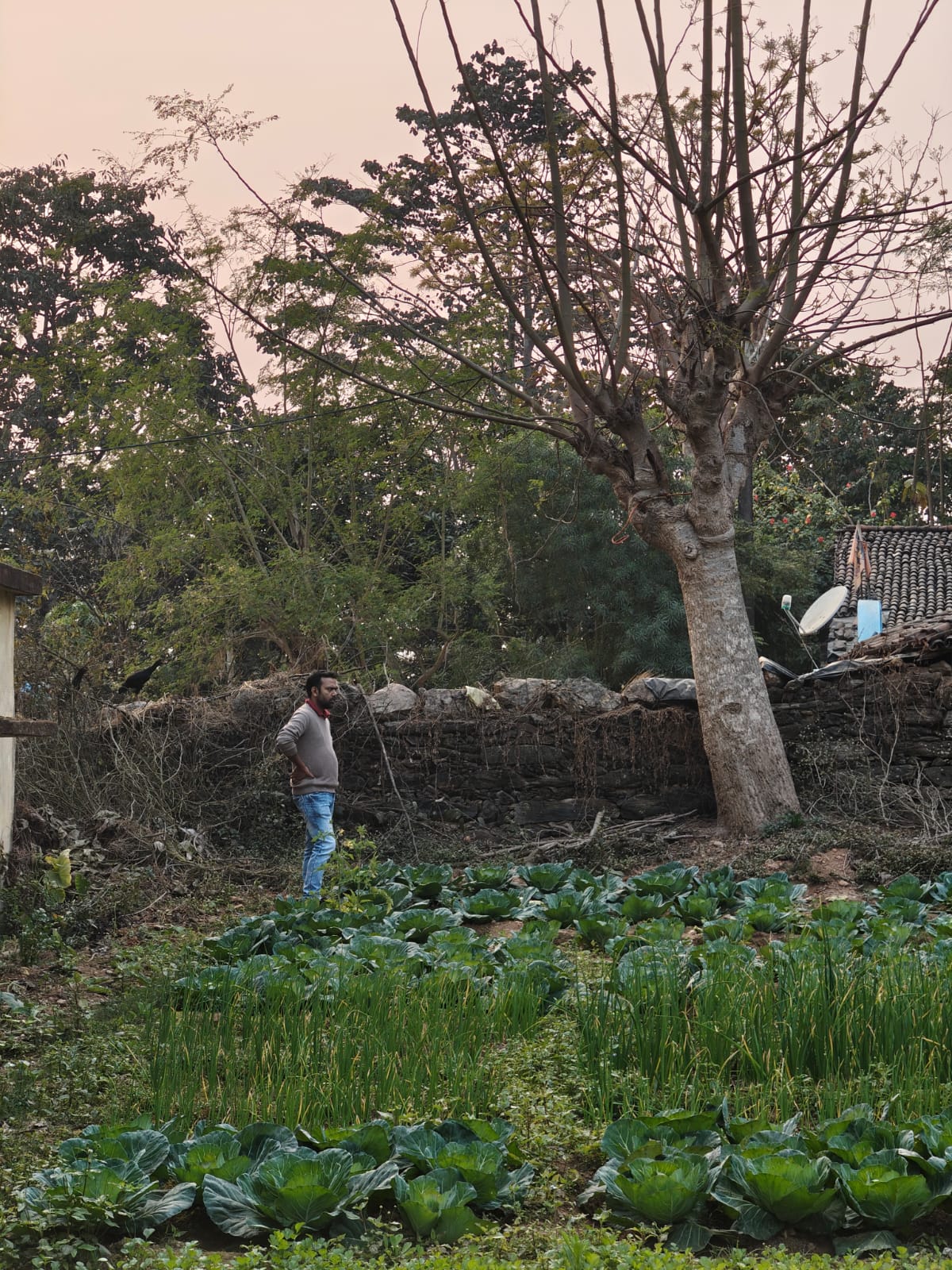
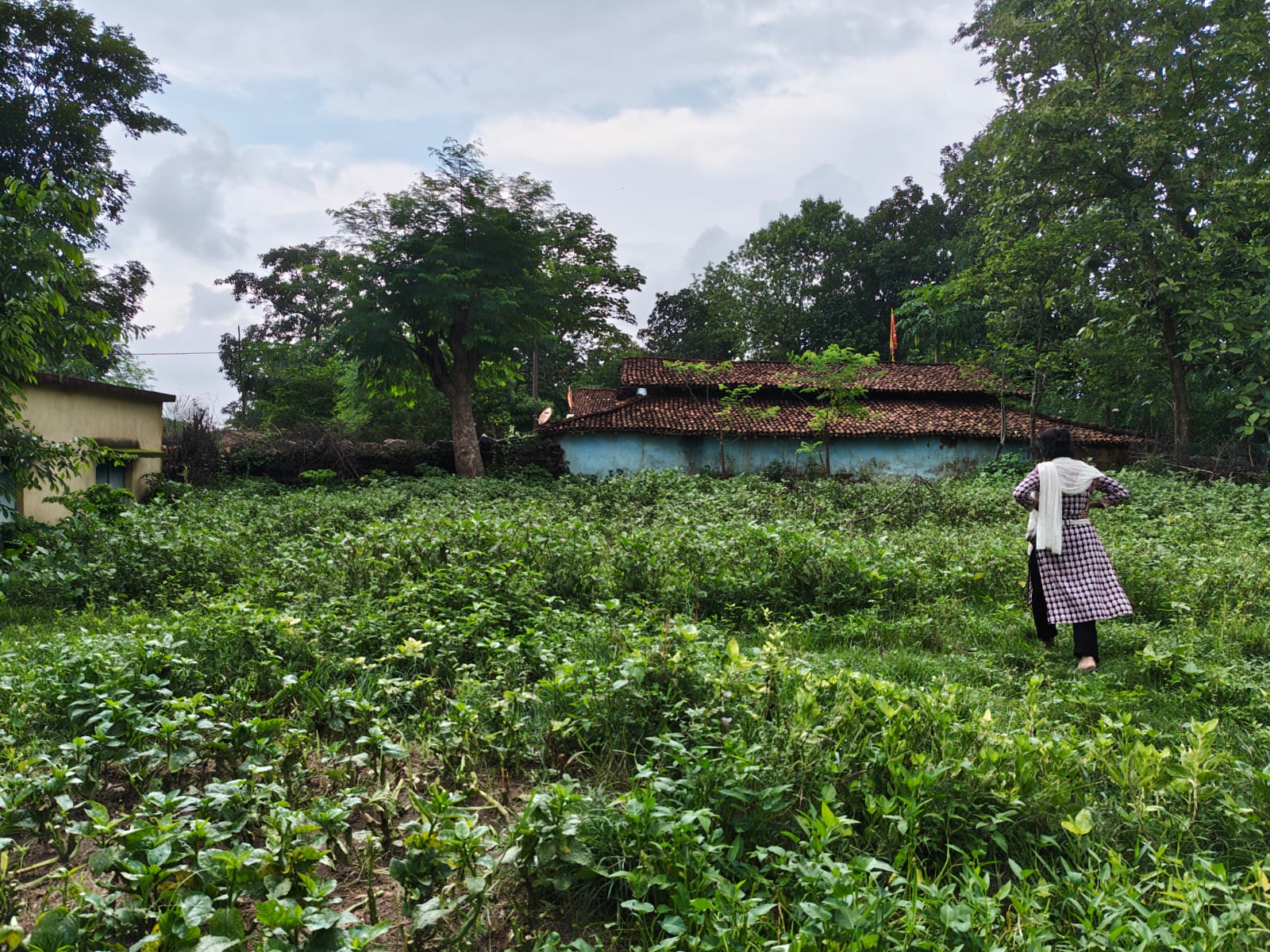
Her nutri-garden is developed on a 10-decimal land adjacent to her house, which was earlier unused. When she tried planting vegetables initially, nothing much grew in the first year, because the land was barren and full of stones. In the second year, she applied cow dung compost which made the land cultivable. The nutri-garden has many raised beds on which the different varieties are planted, and a small area dedicated for nursery. She has also made a NADEP pit in which compost is prepared using paddy straw, dried leaves and twigs, kitchen waste and cow dung. The compost made in the NADEP pit is sufficient for her 10-decimal kitchen garden. They also buy some cow dung compost from nearby gaushala and apply it on their paddy fields.
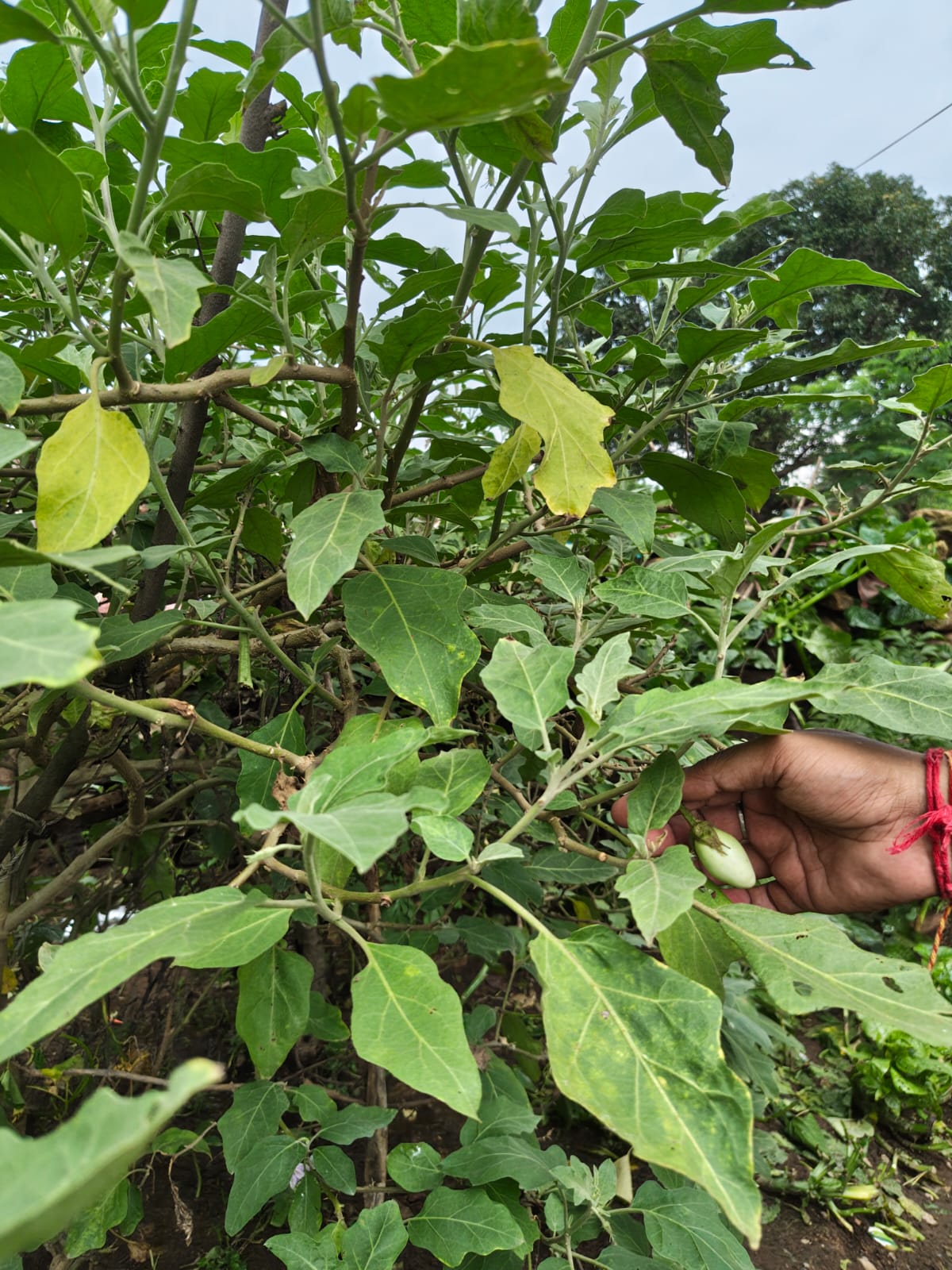
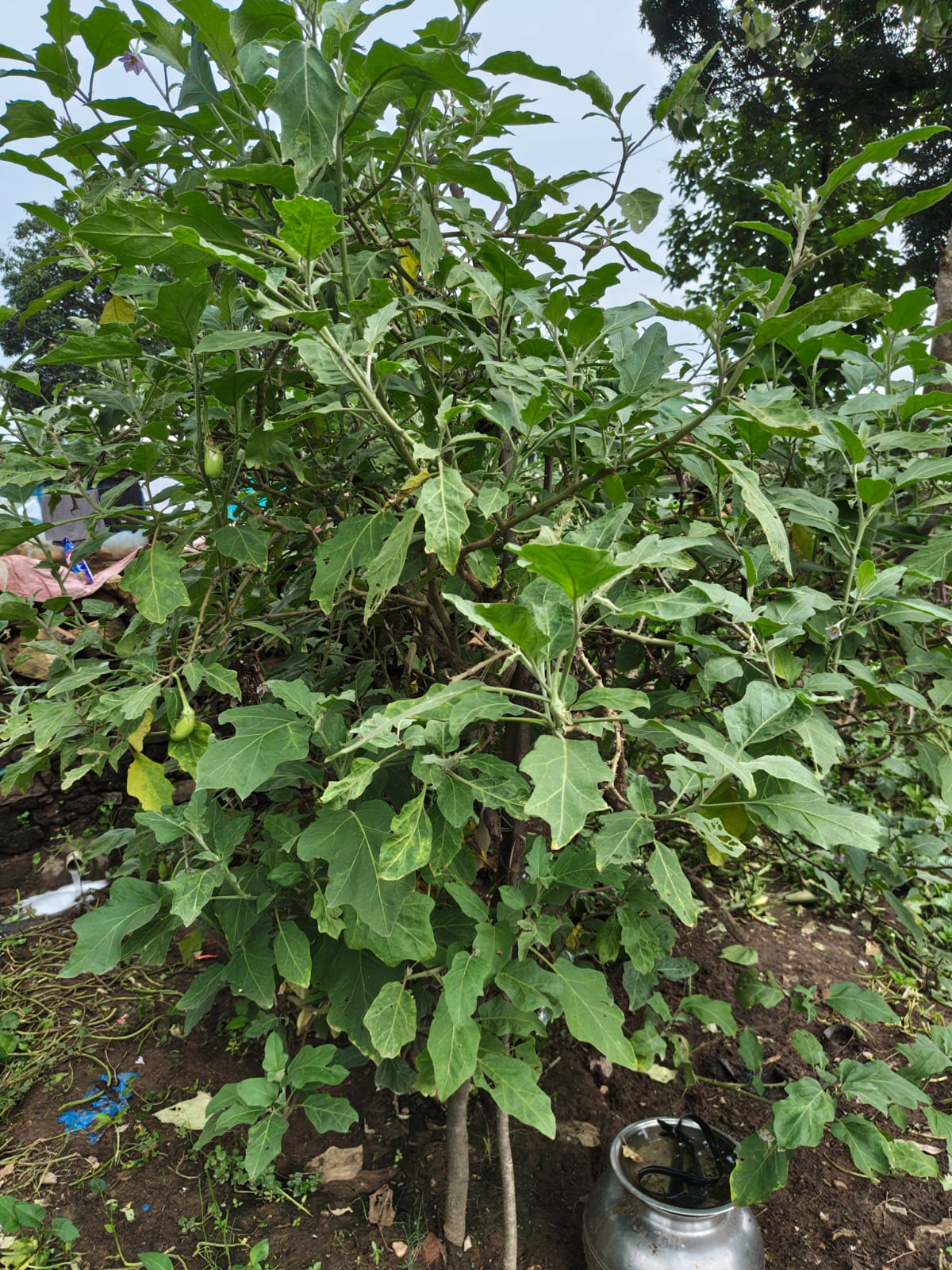
What is very unique about her nutri-garden is that she does relay cropping, so that there is a continuous supply of vegetables. She has already started planting a new batch of tomatoes while harvesting the last fruits from the older batch. Similarly, she has also planted poi and kalmi on the beds from where previous crops have been harvested. There is a unique indigenous variety of brinjal in her garden called “gachh baingan” in the local language, which is a perennial plant and has been giving them fruits for the past 3 years. Pratima also conserves the vegetable seeds as much as possible, to be replanted in the subsequent seasons.
This year, they had plenty of harvest and did not have to buy any vegetables from the market, except some varieties of gourds and capsicum. Pratima says, “this way of consuming vegetables grown in one’s own garden without any chemicals, feels so much safer than what we used to buy from the market, wherein we did not know how it is grown and what all is used to grow it.”
While most of the harvest is used for household consumption, they also sold some cabbage this season, as there was a surplus. She has also planted varieties of fruit trees like moringa, papaya, lemon, banana, orange etc– some of these will start bearing fruits in the next two years.
Pratima mentions that her family, especially the children, love trying a variety of new foods throughout the season. They particularly enjoyed the strawberries this year, as it was their first time ever having them. She is planning to cultivate milky mushrooms this summer. “Mushroom cultivation is very easy, it does not need much labour and gives a good harvest”, she says.
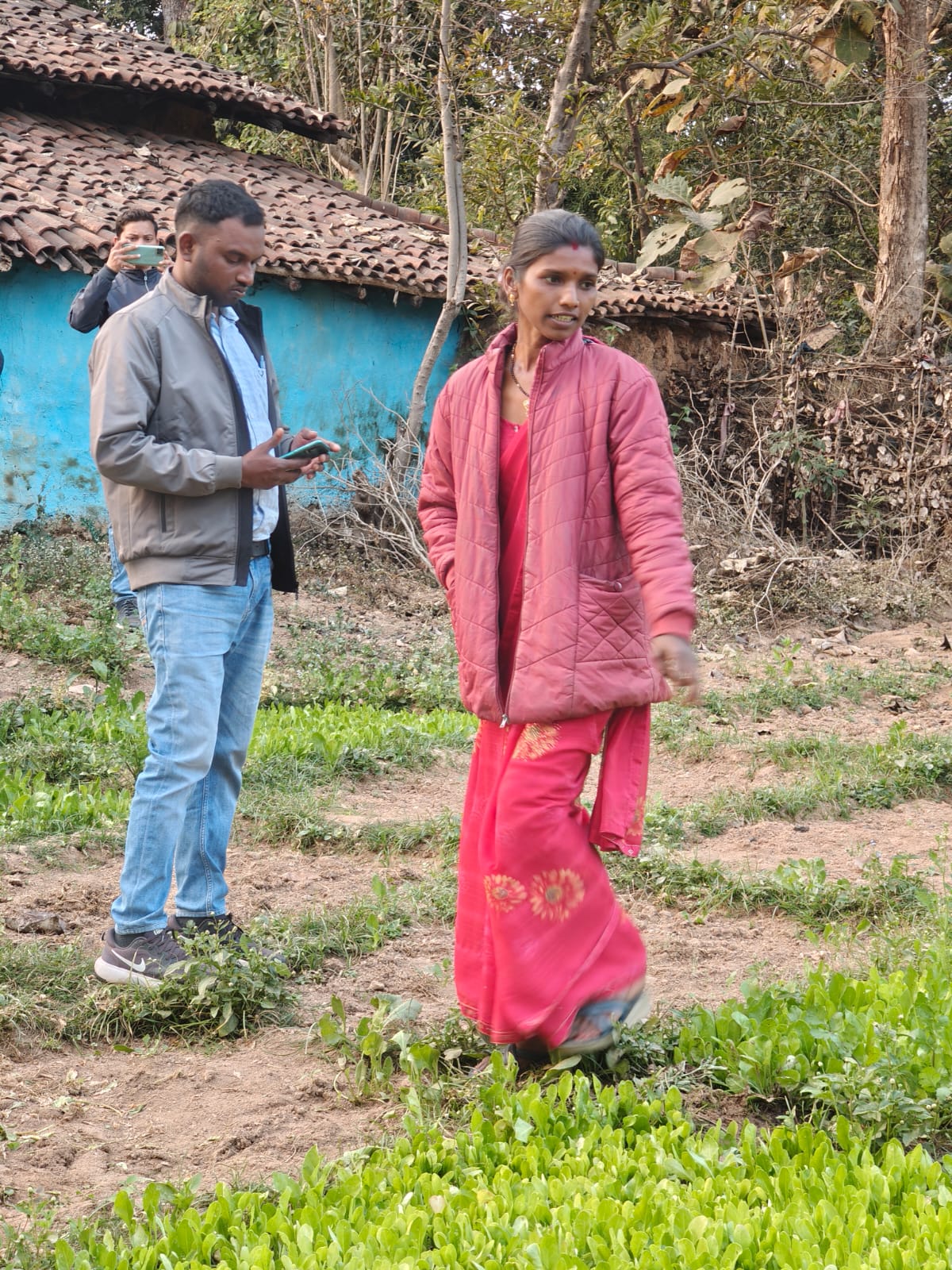
Pratima is also a Community Resource Person working with WASSAN since the year 2021. She takes care of 9 villages and works with farmers and SHG women to make them aware of such innovative practices. She proudly says, “It feels great when I am able to help people and feel respected by them.”
Photo Gallery
Contributed by Piyuli Ghosh